Featured
Table of Contents
If a project hasn't created a conversion after spending 2-3x your target Certified public accountant, automation should lower budget plan or pause it entirely. Build in proper lookback windowsdon't judge a campaign's performance based on a single bad day.
Tailor your rules to match project intent. Your automation has clear directions for every situation it might experience.
Begin by integrating your advertisement platforms with your attribution and automation system. These combinations permit the system to both pull performance data and push spending plan modification commands back to your ad accounts.
Establish conversion sync to feed precise data back to platform algorithms. This is where server-side tracking pays additional dividends. When you send out enriched conversion events back to Meta or Googleevents that include real income, client lifetime value signals, and complete attribution datayou enhance how those platforms' native algorithms optimize within your campaigns.
Ways to Maximize Investment for ROI
If Meta's algorithm just sees partial conversion information because of iOS constraints, it enhances based on incomplete information. When you sync complete server-side conversion information back to Meta, you're essentially teaching its algorithm what a valuable conversion in fact looks like. This enhances both manual and automatic campaign performance. Understanding advertisement platform algorithm optimization methods helps you optimize this advantage.
The majority of automation systems let you set conditions and actions: "If project ROAS goes beyond 4x for 7 successive days AND total conversions go beyond 10, increase everyday budget by 25%." Translate your recorded rules into these condition-action pairs. Start conservative. Even if you're confident in your setup, start with lower spending plan modification percentages and longer assessment windows than you might eventually use.
Enable automation for a subset of your projects first. Select your most steady, predictable campaignsones with consistent conversion volume and clear efficiency patterns. Let automation manage those while you continue manually managing newer or more unstable projects. This staged rollout lets you validate that automation works before broadening it across your entire account.
When the system makes its first budget plan increase or decline, validate that the choice makes sense based upon the information. Inspect that the performance metrics triggering the action are accurate. Confirm that the spending plan change in fact carried out in the advertisement platform. These early checks capture combination concerns or rule misconfigurations before they compound.
Leveraging Data in Advanced PPC
You can see the decision trailthis campaign crossed the limit, so automation increased the spending plan by this quantity. The changes perform effectively in your ad platforms without manual intervention. You're no longer the traffic jam in your own optimization procedure. Automation does not suggest "set it and forget it." It indicates "set it and enhance it." The most effective automated optimization systems develop continuously based upon real-world outcomes.
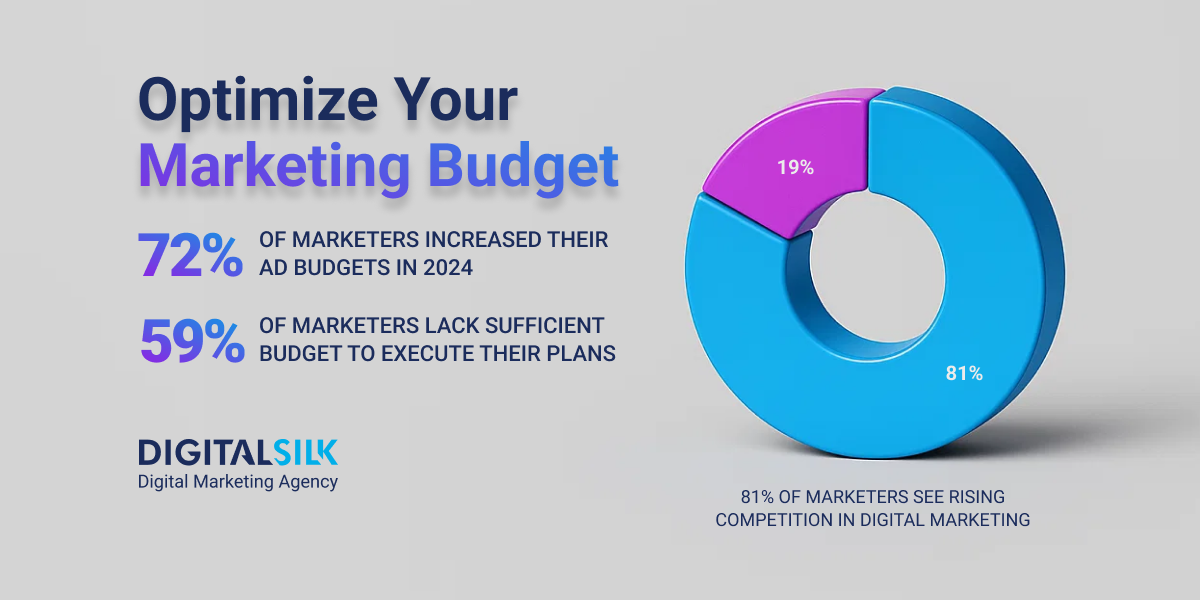
Check automated decisions daily. Evaluation what actions the system took, confirm they line up with actual efficiency, and search for any unexpected patterns. As your confidence constructs and the system proves reliable, you can move to weekly evaluations. Carrying out finest practices for real-time marketing optimization ensures you capture concerns quickly.
Before automation, what was your average ROAS across all campaigns? What was your normal time spent on budget management each week?
Automation captures those opportunities since it's continuously evaluating every project against your performance thresholds. Refine your limits and rules based on real-world outcomes. Maybe you discover that your 4x ROAS limit is too conservativecampaigns consistently keep performance even when scaled at 3.5 x ROAS. Or perhaps you discover that 20% budget plan increases are too shy for your winners, and you can safely scale by 40% without disrupting performance.
Watch for seasonal patterns or external aspects that impact automation efficiency. Throughout slow durations, conversion rates may dip, triggering automation to pull back spending plans.
Auditing Existing Paid Campaigns to Eliminate Waste
Expand automation gradually to additional campaigns and platforms. As soon as your preliminary test campaigns reveal constant improvement under automation, roll it out to similar project types. Eventually, you might automate budget allocation throughout your whole paid media mixletting the system shift dollars from underperforming Google campaigns to winning Meta projects based upon cross-platform attribution information.
Future-Proofing Social Media for Better ReturnsKeep notes on which guidelines work best for different project types. This institutional knowledge ends up being important as you scale automation or as new team members join.
You're catching and scaling winning campaigns much faster than you might by hand. You're cutting losses on underperformers before they drain considerable spending plan. The system handles routine optimization choices, releasing you to focus on imaginative technique, audience research study, and top-level preparation. Setting up automated advertisement spend optimization isn't a one-day projectit's a systematic procedure that builds on precise data and clear decision guidelines.
You stop reacting to the other day's efficiency and begin proactively scaling what works. Server-side tracking carried out and verifiedyour conversion data matches real service records3.
Optimization rules and limits documentedautomation has clear directions for every scenario5. Platforms connected with conversion sync activehigh-quality data streams both ways in between your attribution system and ad platforms6. Tracking process establishedyou're reviewing automated decisions and refining guidelines based on resultsThe online marketers who prosper with automation are those who invest in the foundation.
Scalable Paid Tactics for Digital Growth
Start with one campaign or platform, show the system works, then expand. Begin where you have the most data and the clearest efficiency patterns. Let success build self-confidence, then scale your automation alongside your projects.
While your competitors are still by hand shifting spending plans based on platform control panels, you're optimizing based on total consumer journey data and actual revenue attribution. That difference substances over time. Ready to stop handling advertisement spend by hand and start letting information drive your decisions? The right attribution structure makes all the difference in between automation that loses budget and automation that scales winners.
That's why today, we're introducing to give businesses a much easier method to manage their ad budget plans and make sure ideal outcomes. This tool will be presenting to marketers in the coming months. Using campaign budget optimization, advertisers can set one central campaign budget to optimize across ad sets by distributing spending plan to the top carrying out advertisement sets in real time.
With project spending plan optimization, to get the very best outcomes for their campaign. In addition to setting a day-to-day or life time campaign budget plan, companies can set bid caps and invest limitations for each advertisement set. By dispersing more of a budget to the greatest carrying out ad sets, advertisers can optimize the total worth of their campaign.

Latest Posts
Scaling Your Ad Budget for Higher ROI
Leading ABM Trends for National Enterprise Leaders
Effective Community Engagement for Long-Term Public Change